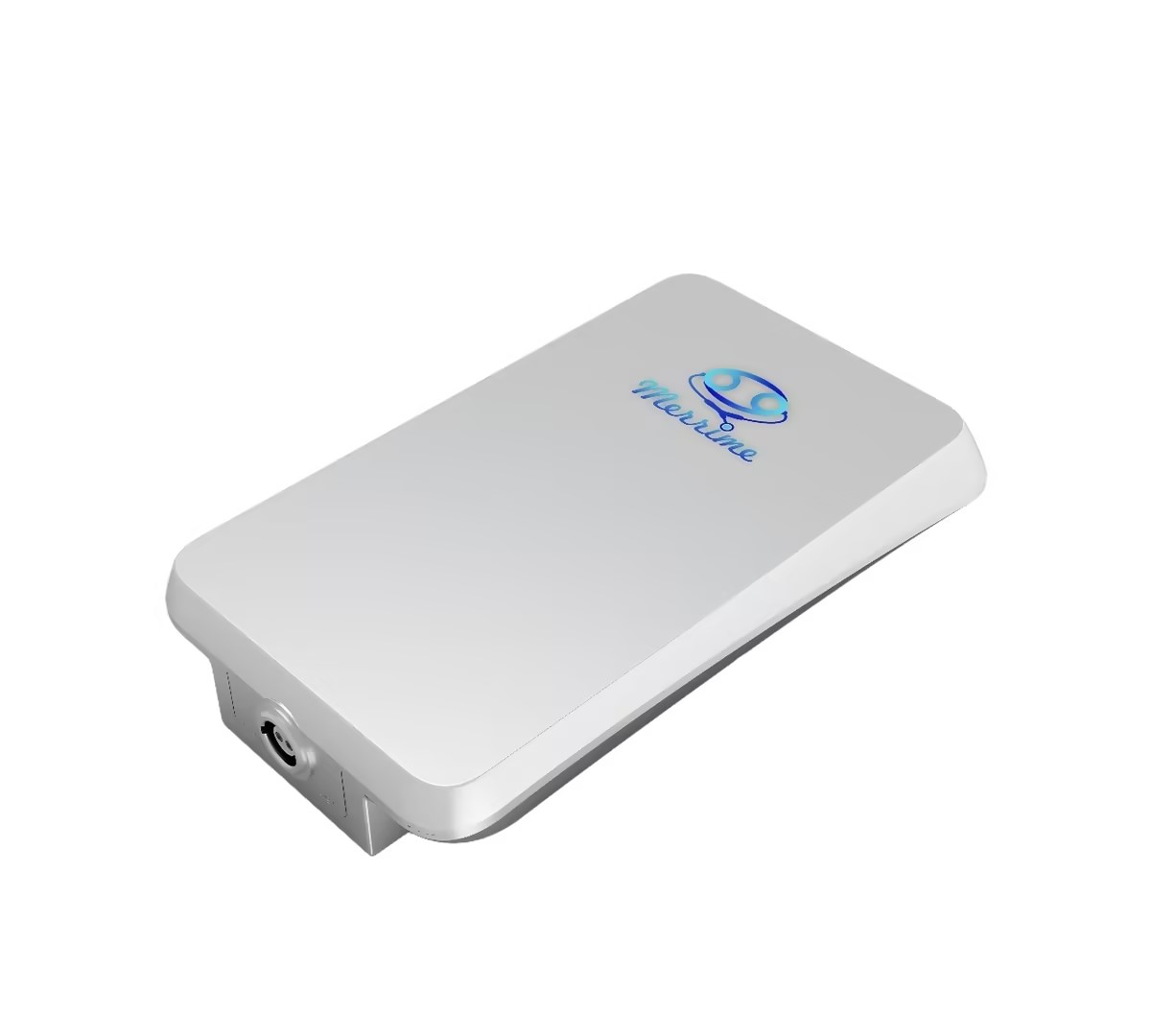
PA (picoampere) microcurrent amplifier is an electronic device used to amplify extremely weak current signals (usually at the picoampere level). It has important applications in many scientific research and industrial detection fields that require the detection of small current changes, such as in the detection of bioelectric signals (such as the monitoring of small currents generated by neuronal discharges), electrochemical detection in chemical analysis (such as the detection of weak currents corresponding to trace substance analysis), and other scenarios. 2、 Working principle
Input stage: It often has a design with high input impedance because the current at the picoampere level is very weak, and it is necessary to minimize the load impact of the input circuit on the signal source as much as possible to avoid situations such as current signal diversion, so as to ensure accurate acquisition of the original weak current signal. For example, using field-effect transistors (FETs) as input stage components, which have high input impedance characteristics, can well meet the requirements. Amplification circuit: Gradually convert the small current of picoampere level into measurable and easily processed voltage signals through multi-stage amplification. The commonly used amplification circuit is composed of operational amplifiers, etc. Each stage of amplification has a corresponding gain setting, and each stage cooperates to accurately linearly amplify weak currents, ensuring low noise and good stability, and avoiding introducing additional interference to drown out already weak signals. Output stage: Finally, the amplified signal is output in an appropriate form, such as voltage signal, which can be connected to devices such as oscilloscopes and data acquisition cards for display, recording, and further data analysis. 3、 Main features
High sensitivity: It can accurately detect and amplify current at the picoampere level, and respond to extremely subtle changes in current. For example, when detecting weak photocurrents generated by certain photodetectors, it can effectively amplify these small currents to an observable and analyzable level. Low noise: Due to the processing of very weak signals, the noise generated by itself must be controlled at a very low level, otherwise the noise signal will mix with the target weak current signal, affecting the accuracy and reliability of the measurement. For example, the selection of electronic components and circuit wiring inside will adopt noise reduction design processes. High precision: It has high accuracy in parameters such as amplification factor, so as to ensure that the output amplified signal truly reflects the size and changes of the original weak current, which is conducive to making accurate judgments and analyses based on these signals in the future. For example, high-precision amplification is crucial when accurately measuring ion channel current in scientific experiments. 4、 Application Fields
Biomedical aspects: It can be used to measure the current of ion channels on the cell membrane, helping researchers understand the electrophysiological characteristics of cells, the effects of drugs on ion channels, etc. It can also be used to detect weak current signals output by biosensors, such as enzyme reaction based biosensors that rely on it to amplify and detect the current changes generated when detecting specific biomolecules. In the field of chemical analysis, electrochemical detection methods such as polarographic analysis and voltammetry are used to amplify the weak current between the working electrode and the reference electrode. By analyzing the magnitude and changes of the current, information such as the concentration and type of the analyte in the solution can be determined, especially for trace substance analysis, which is of great significance. Physical experiments and scientific research: For example, in some weak light signal detection experiments, the photoelectric current generated by the photodetector is often very weak. By amplifying it with a pA microcurrent amplifier, the intensity of light and other related physical quantities can be studied. In addition, in cutting-edge physics research such as superconductivity, the detection of weak current characteristics of some superconducting materials also relies on its domestically produced pA level microcurrent detector, which can be functionally benchmarked against Axopatch 200B and Axon 1550A and can be applied for free trial. Welcome to consult sales@meilitech.cn